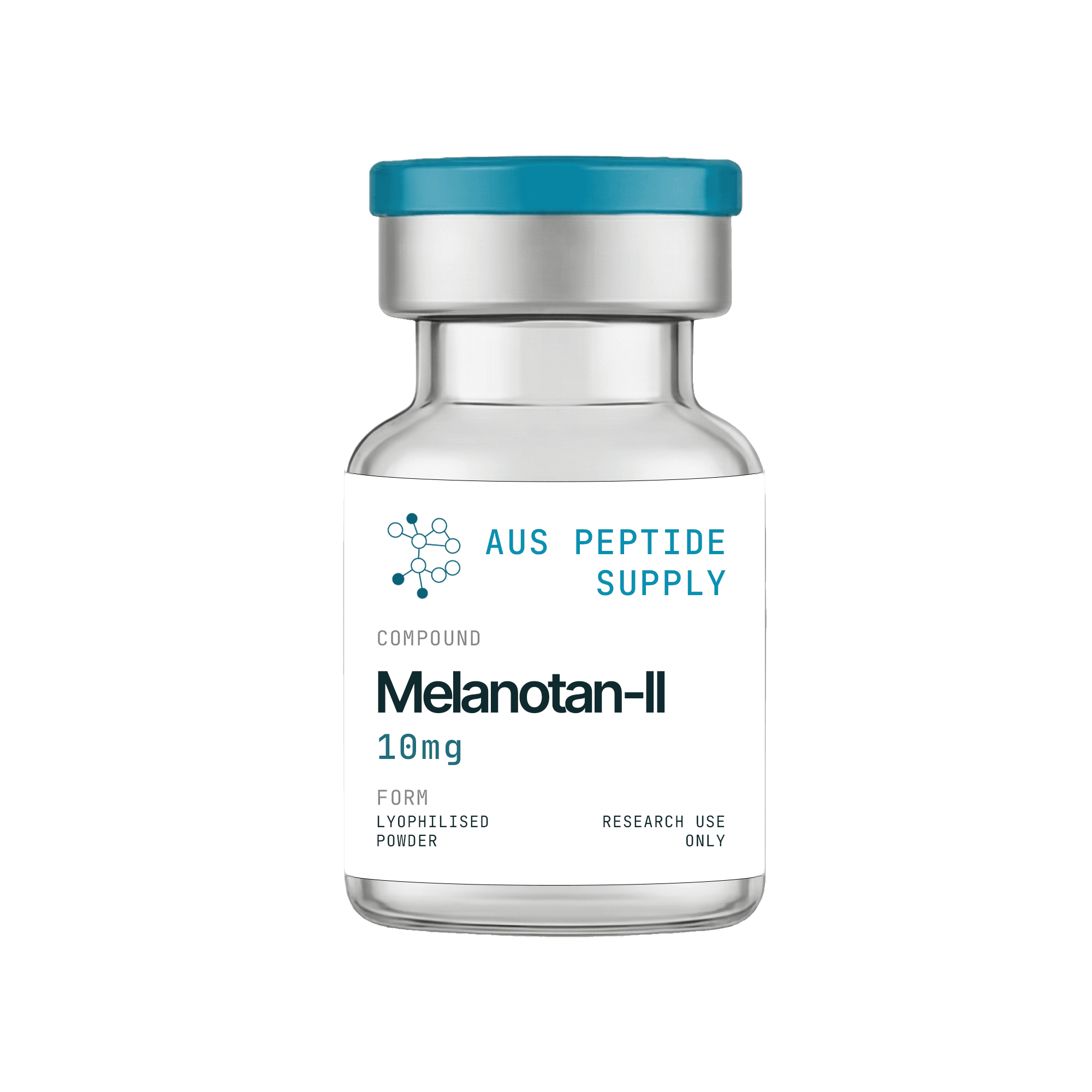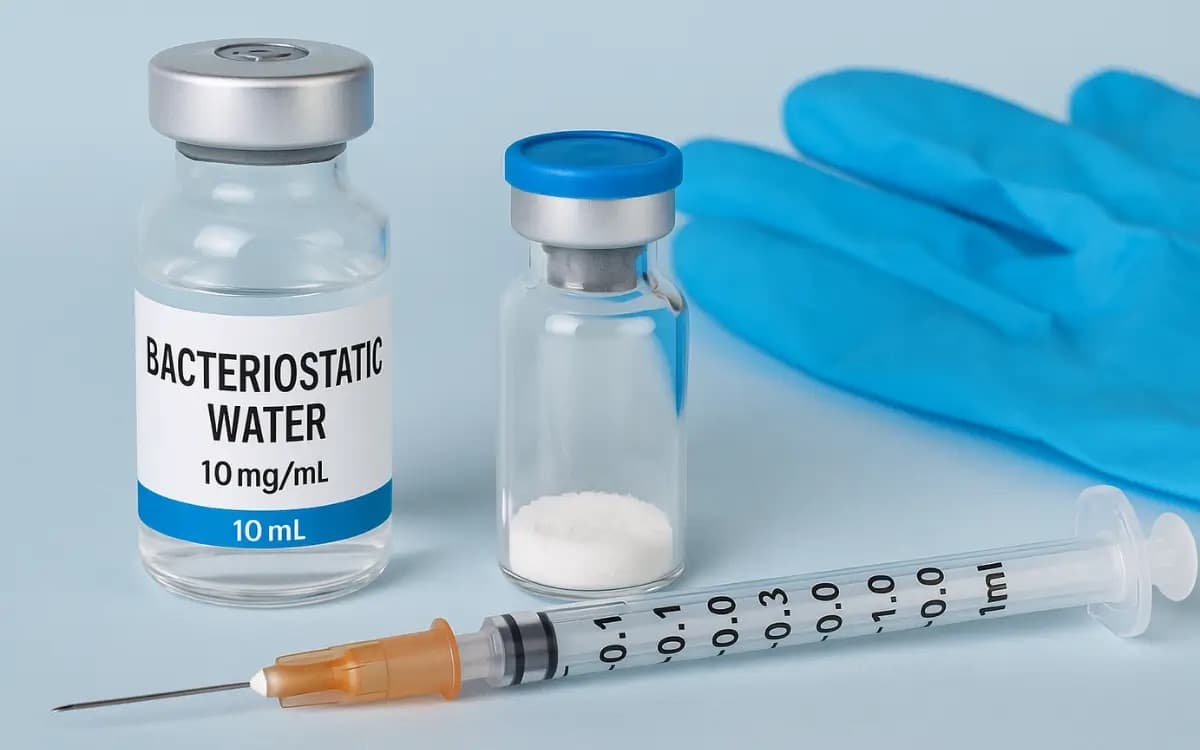
Reconstitution — dissolving a freeze-dried peptide into a liquid solution — seems straightforward. In practice, a small number of easily avoidable mistakes account for the majority of degraded or ruined peptides. This guide walks through the process from start to finish, including the errors that are most likely to cost you a vial.
Mistakes to Avoid Before You Start
- Reconstituting while the vial is still cold from the fridge
- Using sterile water or saline instead of bacteriostatic water
- Squirting water directly onto the powder (always run it down the glass wall)
- Shaking the vial — always swirl
- Storing the reconstituted solution in the freezer
- Using a vial left unrefrigerated for more than a few hours
What You'll Need
- Lyophilised peptide vial — refrigerated or frozen until use
- Bacteriostatic water (BAC water) — contains 0.9% benzyl alcohol to inhibit bacterial growth. Do not substitute with plain sterile water, saline, or tap water. BAC water maintains solution stability for weeks in the fridge; sterile water has no preservative and degrades quickly.
- Insulin syringes — for drawing and transferring BAC water
- Alcohol swabs — to sterilise rubber stoppers before puncturing
The Reconstitution Process
Step 1 — Bring the Vial to Room Temperature
Take your peptide vial out of the fridge and let it sit at room temperature for 15–20 minutes before you do anything else. A cold vial receiving cold water creates condensation and thermal stress that isn't necessary. Do not use heat, hot water, or a microwave to speed this up.
Step 2 — Sterilise the Stoppers
Swab the rubber stoppers on both your peptide vial and your BAC water vial with fresh alcohol wipes. Let them air-dry for around 30 seconds. Don't blow on them or wipe them off — puncturing a still-wet stopper can push trace alcohol into your solution.
Step 3 — Draw the BAC Water
Using a clean insulin syringe, draw the amount of BAC water your calculation requires (see our peptide calculator guide if you need help with this). Most 10 mg vials work well with 1–2 mL of BAC water as a starting point.
Step 4 — Inject Down the Inner Wall
This step matters more than most people realise. Do not push the water straight onto the powder. Tilt the needle until it touches the inner glass wall of the vial and let the water trickle down the side slowly, pooling beneath the powder. This protects the fragile peptide bonds from physical disruption.
Use light, controlled pressure over 15–30 seconds. It should feel unhurried.
Step 5 — Swirl, Don't Shake
Once the water is in, resist the urge to shake the vial. Mechanical agitation breaks peptide bonds. Instead, roll the vial gently between your palms or give it a slow, careful swirl. If not everything dissolves immediately, refrigerate for 30 minutes — it will usually clear on its own.
Step 6 — Check the Solution
The finished solution should be clear and colourless. Some compounds produce a faint yellow tint — this is normal. Cloudiness, milkiness, or visible floating particles are not normal. Don't use a solution that looks like that.
What to Do If the Powder Won't Dissolve
Certain peptides with complex sequences resist dissolving. If gentle swirling hasn't worked after 30–60 minutes in the fridge:
- Add a small extra volume of BAC water (try 0.5 mL more) and swirl again
- For particularly stubborn compounds like GHK-Cu, a small amount of dilute acetic acid (0.1%) is sometimes used — check compound-specific guidance before trying this
Storing Your Reconstituted Solution
- Keep it refrigerated at 4°C — not in the freezer
- Use within 4–6 weeks — BAC water extends stability, but peptides do degrade gradually over time
- Store away from light — the original vial in a dark location or drawer is fine
- Don't refreeze — freeze-thaw cycles break down peptide bonds and reduce potency
⚠ For in-vitro research and laboratory use only. Not for human consumption.